Machine Learning for Neural Interfaces

6.S914: MIT IAP 2026 Special Subject

Schedule | Canvas (upcoming)

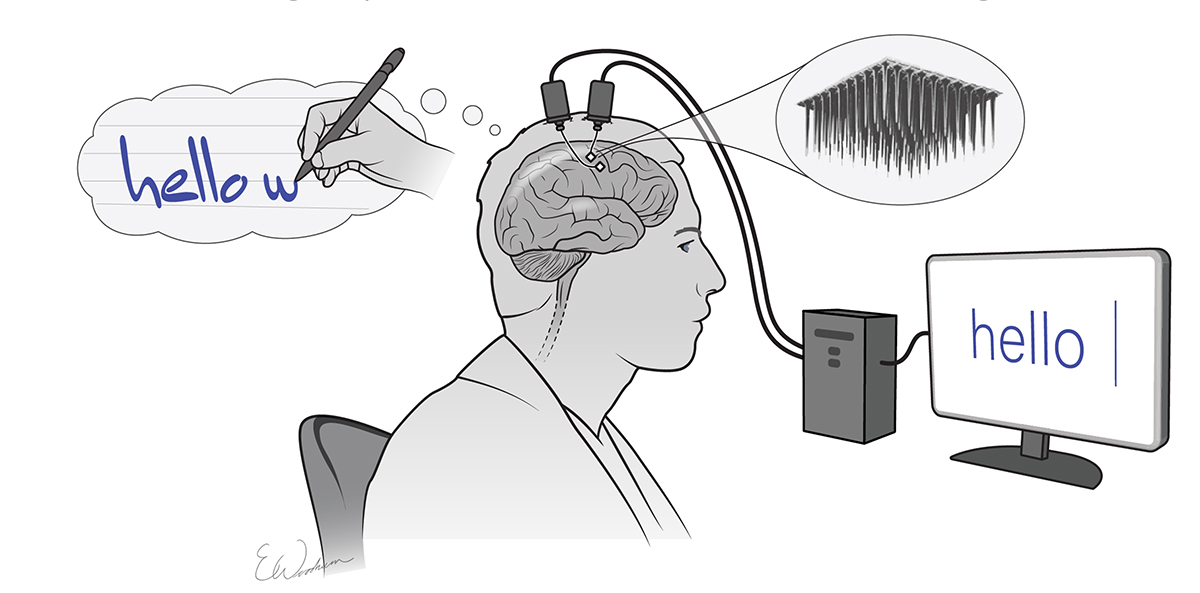
This course explores the intersection of machine learning and human neural interfaces. How can ML techniques be used to decode and modulate neural activity in the human brain? Introduces students to the emerging field of brain foundation models. Topics include: basics of electrophysiology and neural recording, self-supervised learning for brain signals, neural decoding models, closed-loop stimulation design, and ethical considerations in brain-computer interfaces. Focuses heavily on direct electrical recording and stimulation of the human brain (using microelectrodes, EEG, sEEG, ECoG). Features guest talks by researchers and practitioners. Students will gain hands-on experience working with real human neural datasets and learn to build models that can interpret and potentially enhance human neural activity. Suitable for students with a background in machine learning. Assignments focus on analyzing neural data and culminate with a final project research proposal. Culminates with the BrainStorm 2026 BCI hackathon hosted by Precision Neuroscience (Jan 23-24; space limited).

Teaching Team
Andrii Zahorodnii

Instructor

M.Eng. in Neuroscience & Machine Learning, MIT; Research Fellow, Beth Israel Deaconess Medical Center
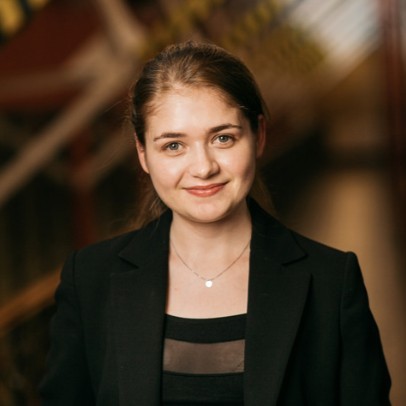
Kateryna Shapovalenko

Guest Co-Instructor

M.S. in AI/ML, Carnegie Mellon University; former Neural Research Engineering, Synchron
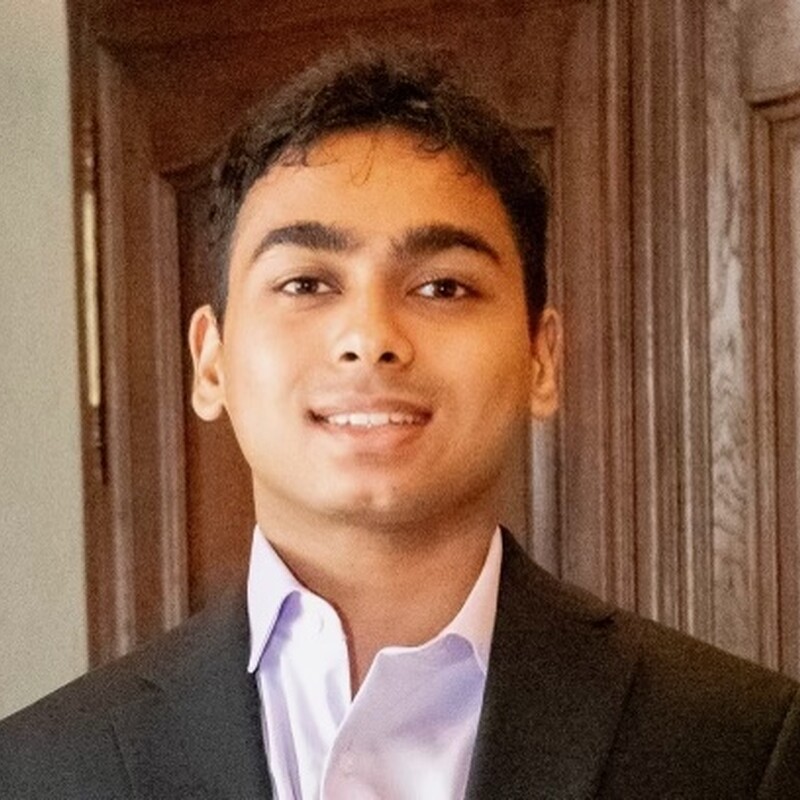
Rishi Shiv

Teaching Assistant

Undergraduate, MIT EECS & Physics; Student Researcher, MIT Media Lab

Ila Fiete

Faculty Sponsor

Associate Investigator, McGovern Institute; Professor, Brain and Cognitive Sciences, MIT; Director, K. Lisa Yang ICoN Center
Boris Katz

Faculty Sponsor

Professor, MIT CSAIL; Principal Research Scientist; Head of InfoLab Group

Guest Speakers
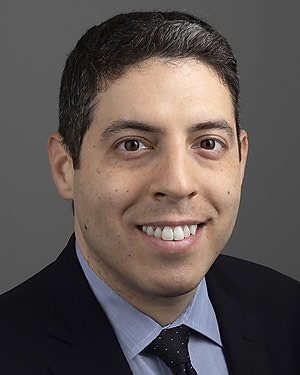
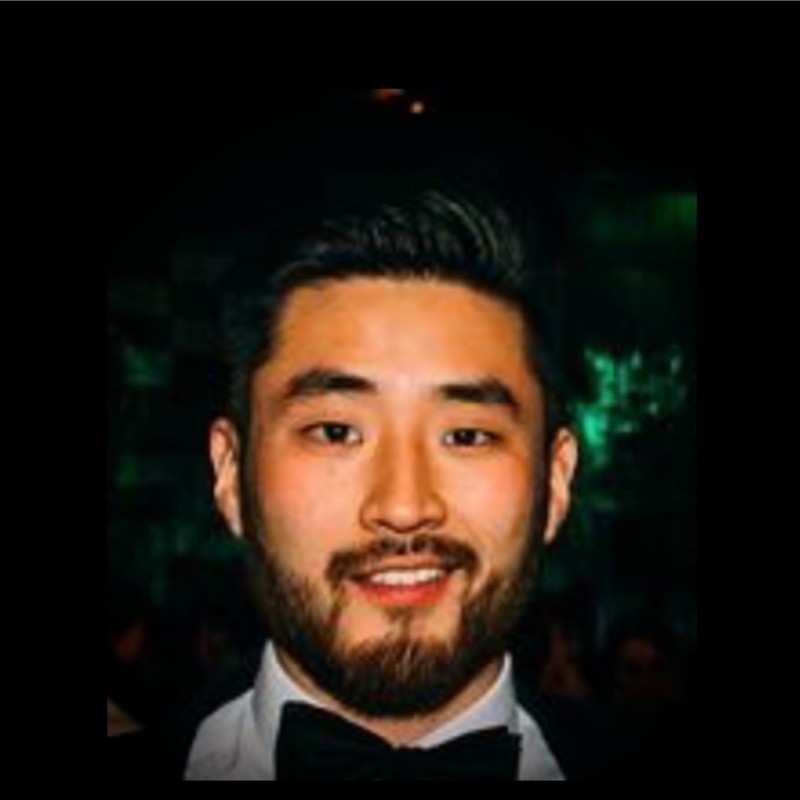
Joshua Aronson

Guest Speaker

Director of Epilepsy Surgery, Beth Israel Deaconess Medical Center; Assistant Professor, Harvard Medical School
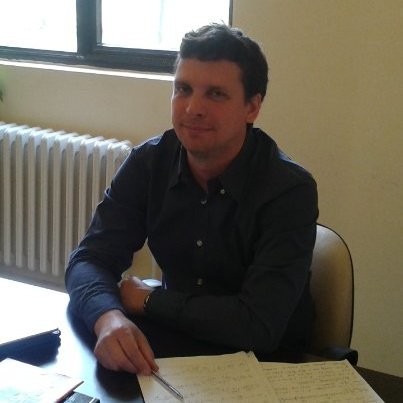
Peter Yoo

Guest Speaker

Head of Neuroscience & Algorithms, Synchron

Yuriy Mishchenko

Guest Speaker

Senior Research Scientist, Meta

Leigh Hochberg

Guest Speaker

Director, Center for Neurotechnology and Neurorecovery, Massachusetts General Hospital

Nita Farahany

Guest Speaker

Professor of Law and Philosophy, Duke University; Author & Tech Ethicist

Schedule

Date Topics Assignments and Materials
Course Preparation
Before Jan 16, 2026 Reading (Optional):
Short videos: Neuralink, Synchron, Precision Neuroscience, Emotiv, Neurable (mix of invasive & non-invasive devices)
Day 1: Introduction to Machine Learning for Neural Interfaces
Tuesday
Jan 20, 2026
10AM-12PM
45-102
Lecture by Andrii Zahorodnii:
  • Welcome; Course Overview, Logistics, Scope, Grading
  • Axioms of Neural Interfaces
    • Manifestation of conscious experience in the brain (demo)
    • Modulation of conscious experience through brain interaction (demo)
  • Basics of neural computation: neurons, neural circuits, sensory and motor pathways.
  • Types of neural signals and hardware (spiking data, EEG, iEEG, sEEG, ECoG)
  • Challenges in Brain decoding

Course material: Lecture Slides

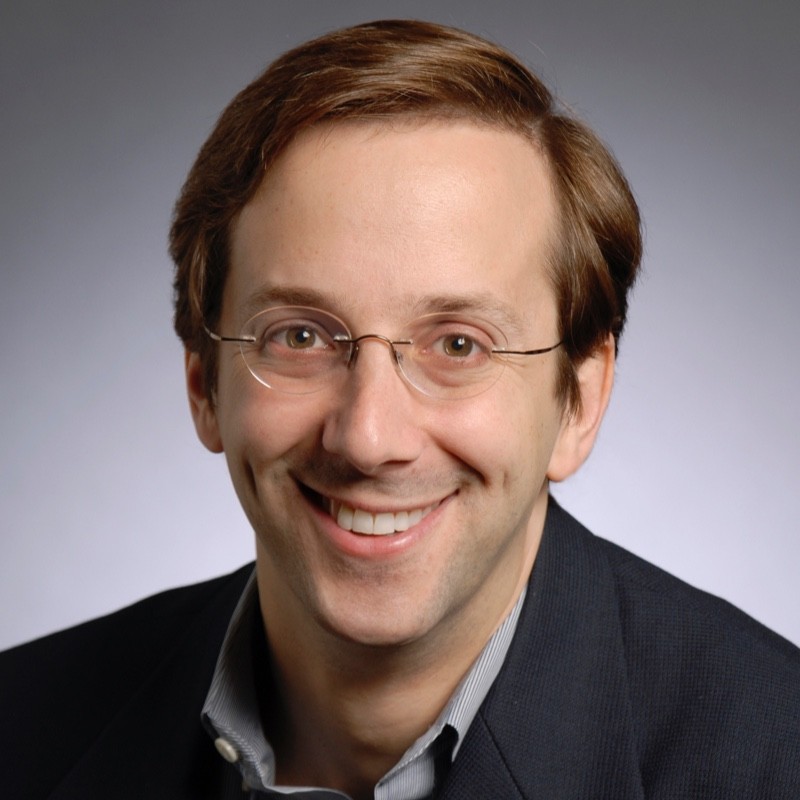
Followed by guest talk by Dr. Joshua Aronson, MD, FAANS
Director of Epilepsy Surgery, Beth Israel Deaconess Medical Center; Assistant Professor, Harvard Medical School
Due: Jan 20, 11:59PM
  • Exit Survey 1

Day 2: Future and Ethics of Brain-Computer Interfaces
Wednesday
Jan 21, 2026
10AM-12PM
45-102
Lecture by Andrii Zahorodnii:
  • Key BCI research directions
  • Technical frontiers: Decoding, BFMs, alignment
  • Ethical concerns: privacy, autonomy, neuro-rights
  • BCI dependency & impact
  • Role of BCI in the age of AGI

Course material: Lecture Slides

Followed by guest talk by Nita Farahany
Professor of Law and Philosophy, Duke University; Author & Tech Ethicist
Due: Jan 21, 11:59PM
  • Exit Survey 2
Day 3: Decrypting the Neural Code with ML
Thursday
Jan 22, 2026
10AM-12PM
45-102
Lecture by Kateryna Shapovalenko:
  • Brain encoding and decoding fundamentals
  • Measuring neural activity and transforming it into machine-readable signals
  • Machine Learning pipelines for Brain-Computer Interfaces
  • Neural signal preprocessing (including unsupervised ML methods)
  • Supervised model training for brain decoding
  • Validation across sessions and subjects
  • Deployment specifics of closed-loop BCI systems

Course material: Lecture Slides

Followed by guest talk by Yuriy Mishchenko
Senior Research Scientist, Meta
Reading (Optional):
Foundation model papers from active BFM research groups

Due: Jan 22, 11:59PM
  • Exit Survey 3
Day 4: Brain Foundation Models
Friday
Jan 23, 2026
10AM-12PM
45-102
Lecture by Kateryna Shapovalenko:
  • Why supervised brain decoding is limited and task-specific
  • Moving from narrow decoders to shared neural representations
  • What Brain Foundation Models (BFMs) are and why they matter
  • Selecting datasets and architectures for BFMs
  • Pre-training neural signals with self-supervised objectives
  • Evaluating pretrained brain representations
  • Adapting BFMs to downstream tasks via fine-tuning

Course material: Lecture Slides

Followed by guest talk by Peter Yoo
Head of Neuroscience & Algorithms, Synchron
Due: Jan 23, 11:59PM
  • Exit Survey 4 (Overall course feedback)
Days 5-6: BrainStorm 2026 Hackathon, hosted by Precision Neuroscience
Friday & Saturday
Jan 23-24, 2026
9AM-5PM

Location:
1 Memorial Drive
BrainStorm 2026 Hackathon
Brain Storm 2026 is a two-day, in-person hackathon organized by Precision Neuroscience where students and post-docs from across Boston’s top universities come together to design and prototype new tools in brain–computer interfaces (BCI), AI, signal processing, and hardware. This event gives you access to real neural data, expert mentors, and a chance at $5,000 in prizes.

Eventbrite Page and Sign Up →

Keynote Speaker and Hackathon Organizer:
Precision Neuroscience
Alternative to Hackathon Participation:
Due: Feb 1, 11:59PM
(Last day of grading - no extensions)
  • MLNI Research Proposal including:
    • Scientific question & goal
    • Planned steps & experiments
    • Proposed timeline
Website by Andrii Zahorodnii